


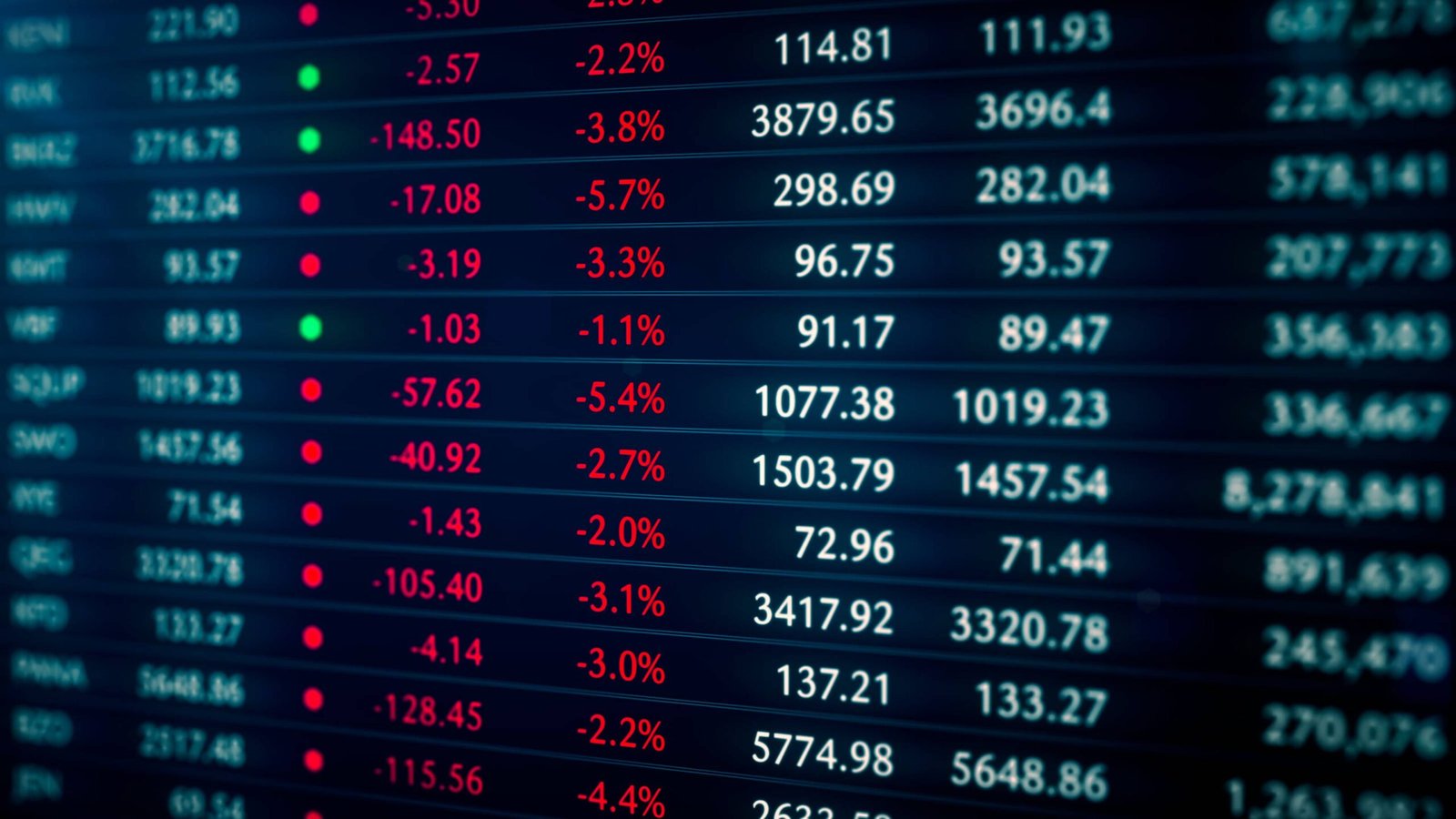
Many people search online asking, “Hows the stock market today?” This simple question reflects curiosity about how financial markets are performing and what factors are driving gains or losses. Whether you are an investor, a student of finance, or simply interested in economic trends, understanding daily stock market movement can provide valuable insight into the health of the economy and global business conditions.
Thank you for reading this post, don't forget to subscribe!The stock market changes every day based on a combination of company performance, economic data, global events, and investor sentiment. Learning how to interpret today’s market activity helps build financial awareness and confidence.
In this article, we explore:
-
What “hows the stock market today” really means
-
Key factors that influence daily market performance
-
Major stock market indexes
-
Market trends and sentiment
-
Why markets rise or fall
-
How to track stock market updates
What Does “Hows the Stock Market Today” Mean?
When people ask “hows the stock market today,” they are usually referring to the overall performance of major stock market indexes such as:
-
Dow Jones Industrial Average
-
S&P 500
-
Nasdaq Composite
These indexes track the performance of groups of large companies and provide a snapshot of how the market is moving as a whole.
A positive market day typically means:
-
Indexes are rising
-
Investor confidence is strong
-
Economic outlook appears stable
A negative market day usually indicates:
-
Indexes are falling
-
Investors are cautious or uncertain
-
Economic or political concerns are present
Major Stock Market Indexes That Reflect Market Performance
Understanding how the stock market is doing today often begins with the major indexes.
Dow Jones Industrial Average (DJIA)
The Dow tracks 30 large, well-known companies across different industries. It is often used as a symbol of the U.S. economy’s health.
S&P 500
The S&P 500 tracks 500 of the largest publicly traded U.S. companies and is considered the most accurate representation of the overall stock market.
Nasdaq Composite
The Nasdaq focuses heavily on technology and growth companies, including many major tech brands.
Together, these indexes help answer the question: “Hows the stock market today?”
Key Factors That Affect the Stock Market Today
Daily stock market performance is influenced by several important factors:
1. Economic Data
Reports such as:
-
Inflation rates
-
Employment numbers
-
Consumer spending
-
GDP growth
can strongly impact how markets move. Positive data usually supports stock prices, while weak data may lead to declines.
2. Corporate Earnings Reports
When companies report quarterly earnings, investors analyze:
-
Revenue growth
-
Profit margins
-
Future outlook
Strong earnings results often lift the market, while disappointing earnings can pull it down.
3. Interest Rates and Central Bank Policy
Decisions by central banks, especially the U.S. Federal Reserve, affect:
-
Borrowing costs
-
Consumer spending
-
Business investment
Higher interest rates can slow markets, while lower rates may encourage growth.
4. Global Events and News
Stock markets react to:
-
Geopolitical tensions
-
Trade agreements
-
Natural disasters
-
Government policies
These events can create uncertainty and volatility.
5. Investor Sentiment
Emotions such as fear and optimism influence trading behavior. News headlines, social media, and analyst opinions can quickly change how investors feel about the market.
Market Trends: Bull vs Bear Conditions
Understanding whether today’s market is part of a larger trend is important.
Bull Market
A bull market means:
-
Prices are generally rising
-
Confidence is strong
-
Economic conditions are favorable
Bear Market
A bear market occurs when:
-
Prices fall significantly
-
Economic uncertainty increases
-
Investors become cautious
Daily movements help show whether the market is continuing a trend or shifting direction.
Sector Performance and Market Leadership
Another way to answer “hows the stock market today” is by looking at different sectors:
-
Technology
-
Healthcare
-
Energy
-
Financial services
-
Consumer goods
Some days, technology stocks lead gains. Other days, defensive sectors like healthcare or utilities perform better. Sector rotation reflects how investors respond to economic conditions.
Why the Stock Market Goes Up and Down Daily
The stock market moves daily because millions of investors buy and sell shares based on:
-
News
-
Data
-
Expectations
-
Risk tolerance
Prices change when supply and demand change. If more people want to buy stocks, prices rise. If more want to sell, prices fall.
This constant activity is what creates daily market fluctuations.
How Inflation and Interest Rates Affect Today’s Market
Inflation and interest rates are among the strongest drivers of daily stock market performance.
-
Rising inflation can reduce company profits and consumer spending
-
Higher interest rates make borrowing more expensive
-
Lower rates encourage business expansion and investment
Markets often react immediately to announcements related to inflation or interest rate changes.
Technology Stocks and Their Influence
Technology stocks play a major role in modern markets. Because companies like Apple, Microsoft, and Google have large market values, their price movements can heavily influence index performance.
If tech stocks rise, the market often follows. If they fall, indexes may decline sharply.
Global Markets and Their Impact
The U.S. stock market does not operate in isolation. Markets in:
-
Europe
-
Asia
-
Emerging economies
can affect investor sentiment worldwide. A major drop in Asian or European markets can influence how U.S. markets open.
Global trade and currency movements also shape daily performance.
How to Track the Stock Market Today
You can easily track stock market performance using:
-
Financial news websites
-
Stock market apps
-
Brokerage platforms
-
Business news channels
-
Economic calendars
These tools provide:
-
Live index updates
-
Market charts
-
Percentage changes
-
News headlines
-
Market summaries
Staying informed helps answer “hows the stock market today” in real time.
The Role of Volatility
Volatility refers to how much prices move up and down. High volatility means:
-
Large daily swings
-
Increased uncertainty
-
Higher emotional trading
Low volatility suggests:
-
Stable markets
-
Investor confidence
-
Predictable conditions
Understanding volatility helps explain sudden market changes.
Common Misconceptions About Daily Market Performance
“A bad day means a bad year”
One negative day does not define long-term performance.
“Markets always follow the news”
Sometimes markets move ahead of news based on expectations.
“Only experts understand the market”
Anyone can learn the basics of market movement with education and observation.
Educational Value of Following the Market Daily
Tracking how the stock market is today helps people understand:
-
Economic relationships
-
Business performance
-
Risk and reward
-
Global connections
-
Financial decision-making
It also teaches patience and long-term thinking rather than reacting emotionally to short-term changes.
Long-Term Perspective vs Daily Movements
Daily stock market performance is important, but long-term trends matter more for understanding economic growth.
Short-term movements are driven by:
-
News
-
Sentiment
-
Data releases
Long-term growth is driven by:
-
Innovation
-
Productivity
-
Population growth
-
Corporate earnings
Both perspectives are valuable when interpreting market behavior.
Why So Many People Ask “Hows the Stock Market Today?”
This question is popular because:
-
It reflects economic curiosity
-
It impacts retirement accounts
-
It affects business confidence
-
It connects to news headlines
-
It influences financial planning
The stock market has become a central part of modern life and media coverage.
Final Thoughts
The question “hows the stock market today?” is more than just a daily update—it is a way to measure economic health, investor confidence, and global trends. Stock market performance depends on a wide range of factors including earnings reports, interest rates, inflation, global events, and human behavior.
While daily market movements can seem unpredictable, understanding the reasons behind them makes the financial world more accessible and less intimidating. By following major indexes, tracking key economic indicators, and staying informed through reliable sources, anyone can gain insight into today’s stock market performance.
Rather than focusing only on short-term changes, it is helpful to view the stock market as part of a larger economic story shaped by innovation, growth, and global interaction. Learning how the market works today builds a foundation for understanding where it may go tomorrow.

