


Introduction
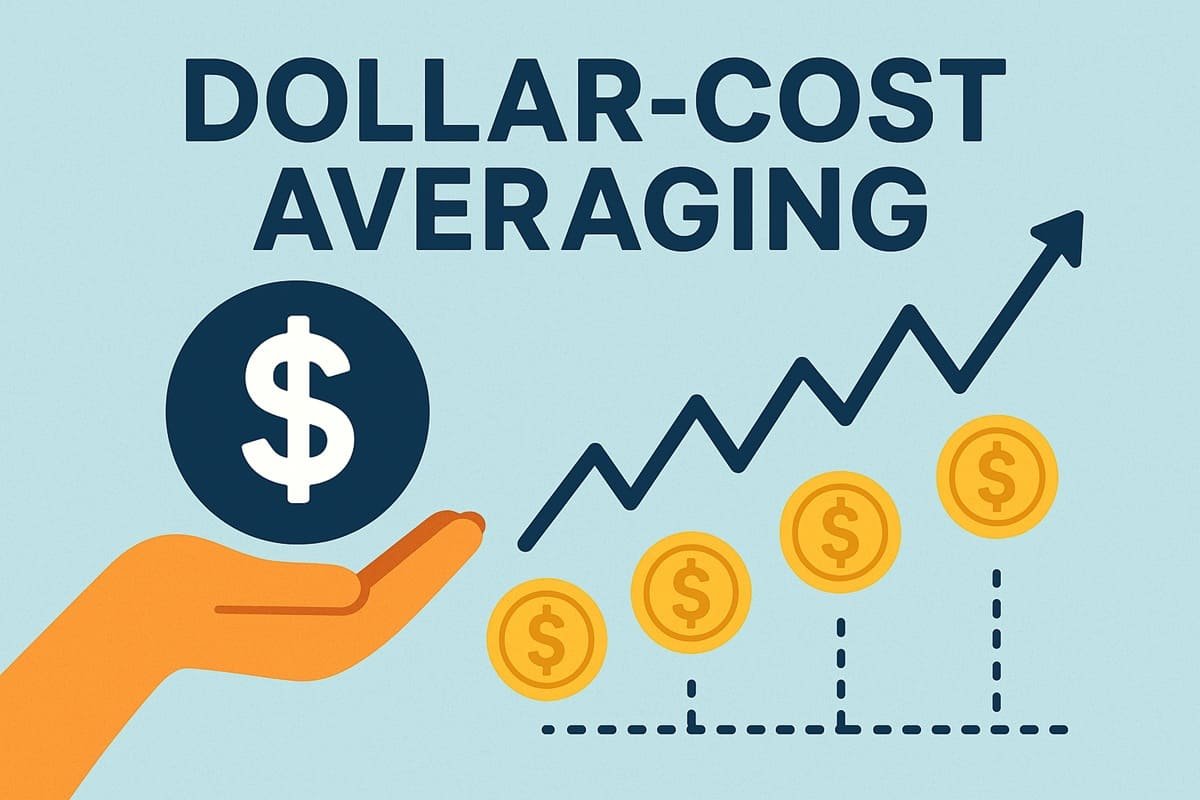
The dollar-cost averaging strategy is one of the safest and simplest ways for beginners to start investing. Instead of trying to predict the perfect time to invest, dollar-cost averaging allows investors to invest a fixed amount of money at regular intervals. This strategy helps reduce risk and removes the pressure of market timing.
Many successful investors use dollar-cost averaging because it creates consistency and helps build long-term wealth. If you are new to investing, dollar-cost averaging can provide a reliable path toward financial growth.
Thank you for reading this post, don't forget to subscribe!This guide explains how dollar-cost averaging works and why it is considered one of the best investment strategies for beginners.
What Is Dollar-Cost Averaging?
Dollar-cost averaging is an investment strategy where you invest a fixed amount of money on a regular schedule, regardless of market conditions.
For example:
-
Investing $200 every month
-
Investing $100 every two weeks
-
Investing $500 every month
Instead of investing a large amount at one time, you spread your investments over time.
This approach reduces the risk of investing all your money when prices are high.
How Dollar-Cost Averaging Works
When you invest regularly, you buy investments at different prices.
When prices are high:
-
You buy fewer shares.
When prices are low:
-
You buy more shares.
Over time, this creates an average purchase price that may be lower than trying to invest all your money at once.
This strategy helps smooth out market fluctuations.
Example of Dollar-Cost Averaging
Imagine investing $300 per month into an investment fund.
Month 1
Price per share: $30
Shares purchased: 10
Month 2
Price per share: $20
Shares purchased: 15
Month 3
Price per share: $25
Shares purchased: 12
Total invested: $900
Total shares: 37
Average share price:
About $24.32
Even though prices changed, your average cost is balanced.
Benefits of Dollar-Cost Averaging
Dollar-cost averaging offers several advantages for beginner investors.
Reduced Market Timing Risk
Trying to predict market highs and lows is extremely difficult.
Dollar-cost averaging removes the need to time the market.
You invest consistently regardless of price movements.
Lower Emotional Stress
Investing can feel stressful when markets fluctuate.
Dollar-cost averaging reduces emotional decision-making.
You follow a simple schedule instead of reacting to market news.
Consistent Investing Habits
Consistency is one of the keys to successful investing.
Regular investing builds strong financial habits.
Even small amounts invested regularly can grow over time.
Works Well with Small Budgets
You do not need large amounts of money to start investing.
Many beginners start with:
-
$50 per month
-
$100 per month
-
$200 per month
Small investments can grow significantly over time.
Best Investments for Dollar-Cost Averaging
Some investments work especially well with dollar-cost averaging.
Index Funds
Index funds track major stock markets.
They offer:
-
Diversification
-
Lower risk
-
Steady growth
Many beginners choose index funds for long-term investing.
ETFs
Exchange-traded funds (ETFs) are popular investments for dollar-cost averaging.
Advantages include:
-
Low fees
-
Easy trading
-
Diversification
ETFs are beginner-friendly investments.
Blue-Chip Stocks
Large companies with strong track records can also work well.
Examples include companies that have stable earnings and long histories of growth.
However, diversification is still important.
How to Start Dollar-Cost Averaging
Starting dollar-cost averaging is simple.
Step 1: Choose an Investment Platform
Select a reliable investing platform.
Many platforms allow automatic investing.
Step 2: Decide How Much to Invest
Choose an amount that fits your budget.
Examples:
-
$100 per month
-
$200 per month
-
$500 per month
Consistency is more important than the amount.
Step 3: Set a Schedule
Choose a regular schedule.
Examples:
-
Weekly
-
Biweekly
-
Monthly
Automatic investing makes this easy.
Step 4: Stay Consistent
Continue investing even during market declines.
Markets rise and fall, but long-term investors benefit from staying consistent.
Dollar-Cost Averaging vs Lump Sum Investing
Lump sum investing means investing all your money at once.
Lump Sum Advantages
-
Faster growth if markets rise
-
Immediate market exposure
Dollar-Cost Averaging Advantages
-
Lower risk
-
Less stress
-
Easier for beginners
-
Consistent investing
Many beginner investors prefer dollar-cost averaging because it feels safer and easier to manage.
Common Dollar-Cost Averaging Mistakes
Avoid these common mistakes:
Stopping During Market Drops
Market declines are normal.
Stopping investments during downturns can reduce long-term returns.
Investing Too Irregularly
Consistency is important.
Skipping months reduces the benefits of dollar-cost averaging.
Choosing Risky Investments
Highly volatile investments may increase risk.
Beginners should consider diversified investments.
Who Should Use Dollar-Cost Averaging?
Dollar-cost averaging is ideal for:
-
Beginner investors
-
Long-term investors
-
Monthly savers
-
Passive investors
It works especially well for investors who want steady growth with reduced risk.
Long-Term Growth Potential
Over time, regular investing can lead to significant growth.
For example:
Investing $300 per month for 20 years with moderate returns could grow into a substantial investment portfolio.
Consistency and time are powerful factors in investing success.
Conclusion
Dollar-cost averaging is one of the most reliable investment strategies for beginners. By investing a fixed amount regularly, investors can reduce risk and build wealth over time.
This strategy removes the pressure of market timing and encourages consistent investing habits. Whether you start with a small amount or a larger monthly investment, dollar-cost averaging can help you achieve long-term financial growth.

