


Introduction
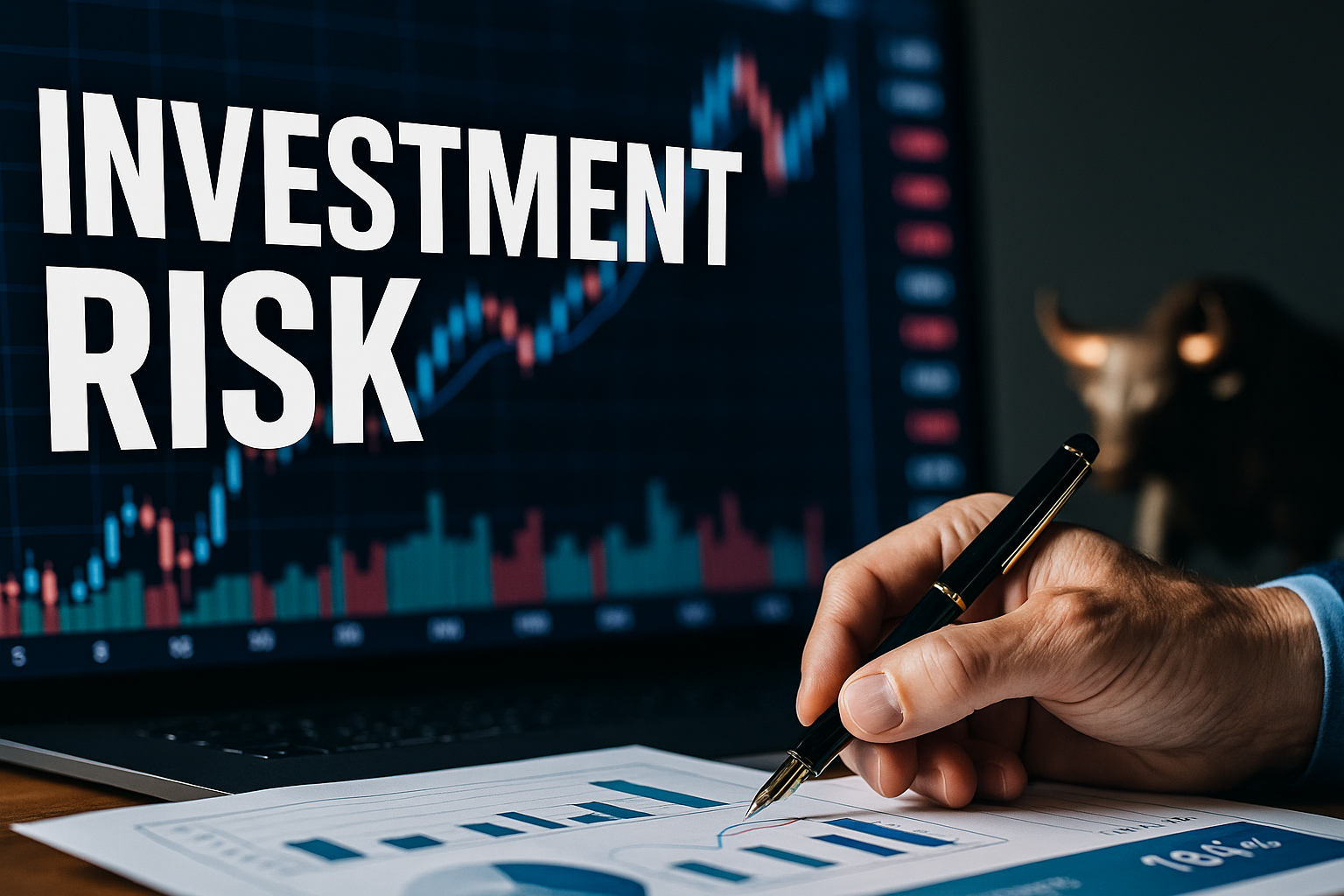
Understanding investment risk management for beginners is essential for building a stable investment portfolio. Every investment involves risk, but proper risk management helps investors protect their money while still allowing for growth.
Thank you for reading this post, don't forget to subscribe!Risk management does not eliminate risk, but it helps reduce the chances of major losses. Beginner investors who understand risk management can invest with greater confidence.
Understanding Investment Risk
Investment risk refers to the possibility of losing money.
Common risks include:
-
Market declines
-
Economic changes
-
Company performance
Understanding risks helps investors plan better.
Diversification Strategy
Diversification is one of the best ways to manage risk.
Investors spread money across:
-
Stocks
-
ETFs
-
Bonds
Diversification reduces losses.
Balanced portfolios improve stability.
Long-Term Investing Reduces Risk
Long-term investing helps reduce risk.
Markets fluctuate short term.
Long-term growth is more stable.
Time helps investments recover.
Choosing Stable Investments
Stable investments reduce volatility.
Examples include:
-
Index funds
-
ETFs
-
Dividend stocks
Stable investments improve consistency.
Avoiding High Risk Investments
Beginners should avoid excessive risk.
High-risk investments include:
-
Speculative stocks
-
High volatility assets
-
Unproven investments
Moderate risk supports steady growth.
Conclusion
Investment risk management helps beginners protect their investments. Diversification and long-term investing reduce risk and improve financial stability.

