


Introduction
Learning financial risk management for beginners is one of the most important steps toward successful investing. Financial risk management helps investors protect their money while still allowing their investments to grow over time. Every investment carries some level of risk, but proper planning can reduce the chances of major losses.
Thank you for reading this post, don't forget to subscribe!Many beginner investors focus mainly on potential profits and overlook the importance of managing financial risk. However, experienced investors understand that controlling risk is essential for long-term success.
This guide explains financial risk management in simple terms and shows how beginner investors can manage risk effectively.
What Is Financial Risk Management?
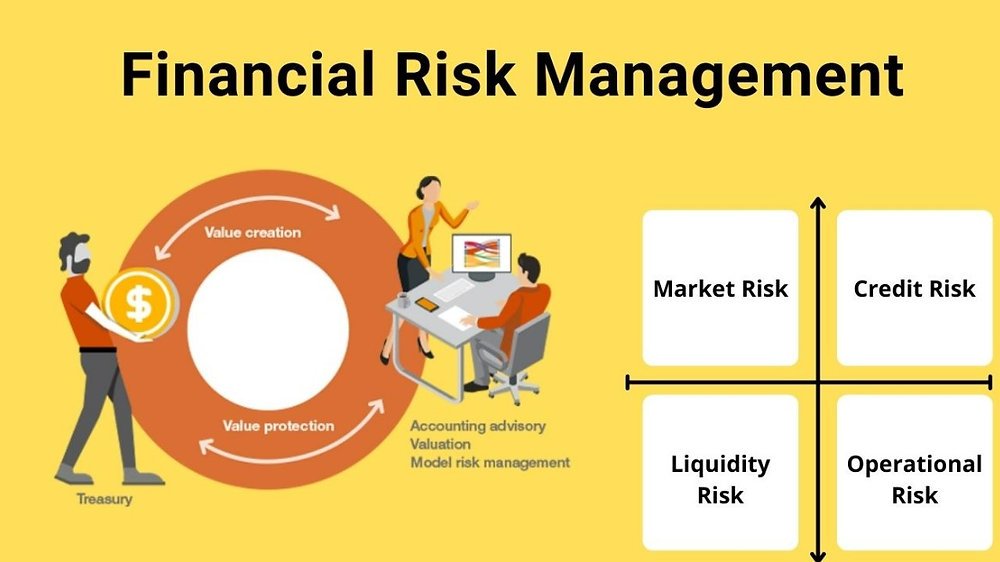
Financial risk management involves identifying and reducing risks that could affect investments.
Common financial risks include:
-
Market fluctuations
-
Economic changes
-
Inflation
-
Company performance
Risk management helps investors protect portfolios during uncertain conditions.
Understanding financial risks improves investment decisions.
Why Risk Management Matters
Risk management helps investors:
-
Protect investments
-
Reduce losses
-
Improve stability
-
Stay invested long term
Investors who manage risk effectively often achieve better long-term results.
Without risk management, portfolios may experience large declines.
Diversification Strategy
Diversification is a core financial risk management strategy.
Diversification involves spreading investments across different assets.
Examples include:
-
Stocks
-
ETFs
-
Bonds
Diversification reduces overall portfolio risk.
Balanced portfolios perform more consistently.
Managing Market Risk
Market risk affects all investors.
Stock markets fluctuate regularly.
Long-term investing helps reduce market risk.
Patience allows investments to recover from declines.
Long-Term Risk Management
Long-term investing is a key risk management strategy.
Benefits include:
-
Reduced volatility impact
-
Steady growth
-
Compound returns
Time improves investment stability.
Conclusion
Financial risk management helps beginner investors protect their investments while building wealth. Diversification and long-term investing improve stability and reduce financial risk

