


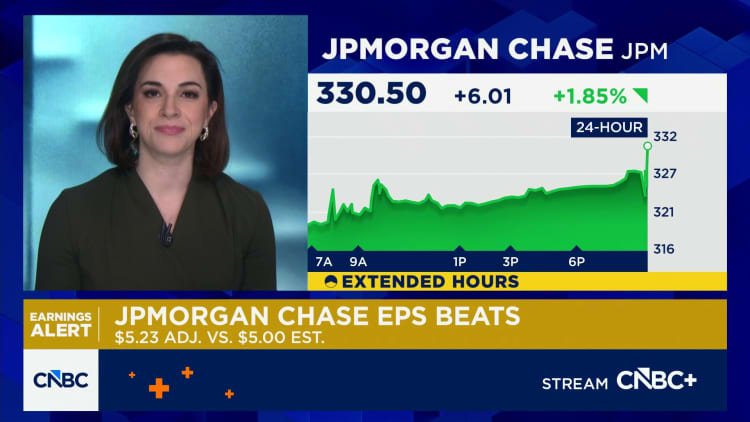
The JPM stock price today per share is closely followed by investors, analysts, and financial professionals around the world. JPMorgan Chase & Co. (NYSE: JPM) is one of the largest and most influential financial institutions globally, providing services in banking, asset management, credit cards, and investment banking.
Thank you for reading this post, don't forget to subscribe!Because JPMorgan plays a central role in the global financial system, its stock price reflects not only company performance but also broader trends in the economy, interest rates, and financial markets. Understanding what influences JPM’s share price can help investors and market watchers better interpret daily market movements.
In this article, we explore:
-
What affects the JPM stock price today per share
-
JPMorgan’s business segments
-
Recent performance trends
-
Market sentiment
-
Long-term outlook
-
How to track JPM stock in real time
What Is JPM Stock Price Today Per Share?
The JPM stock price today per share changes continuously during U.S. market hours as investors buy and sell shares on the New York Stock Exchange under the ticker symbol JPM.
JPMorgan’s share price is influenced by:
-
Quarterly earnings reports
-
Interest rate changes
-
Loan growth and credit quality
-
Economic indicators
-
Banking sector performance
-
Global market conditions
To view the most accurate and up-to-date price, investors commonly use:
-
Google Finance
-
Yahoo Finance
-
Bloomberg
-
TradingView
-
Online brokerage platforms
These tools provide real-time price quotes, historical charts, daily highs and lows, and trading volume.
Key Factors That Influence JPM Stock Price
Several major factors affect the JPM stock price today per share on a daily basis:
1. Interest Rates and Federal Reserve Policy
Banks like JPMorgan earn income from lending and interest margins. When interest rates rise, banks may benefit from higher margins on loans. When rates fall, profitability can be pressured.
Announcements from the Federal Reserve often cause immediate movement in JPM stock.
2. Earnings and Financial Performance
Quarterly earnings reports are among the most important drivers of JPM’s share price. Investors closely analyze:
-
Revenue growth
-
Net income
-
Loan volume
-
Credit losses
-
Cost management
-
Future guidance
Strong earnings usually boost investor confidence, while weaker results can lead to short-term declines.
3. Economic Conditions
JPMorgan’s business depends heavily on the health of the economy. Key indicators that affect its stock price include:
-
Employment data
-
Inflation rates
-
Consumer spending
-
Housing market trends
-
Business investment
A strong economy often supports higher bank profits, while economic uncertainty can weigh on financial stocks.
4. Banking Sector Trends
JPM stock frequently moves in line with other large financial institutions. Industry-wide issues such as regulatory changes, liquidity concerns, or shifts in lending standards can impact the entire banking sector.
5. Global Events and Market Sentiment
As a multinational bank, JPMorgan is exposed to international markets. Geopolitical events, currency movements, and global financial news can influence investor sentiment and daily trading activity.
JPMorgan’s Business Segments and Their Impact
JPMorgan Chase operates through several major business divisions:
Consumer & Community Banking
This segment includes:
-
Checking and savings accounts
-
Credit cards
-
Mortgages
-
Auto loans
Consumer banking performance is influenced by household spending and interest rates.
Corporate & Investment Banking
This division handles:
-
Investment banking
-
Trading
-
Corporate lending
-
Advisory services
Market volatility and corporate deal activity affect this segment’s revenue.
Asset & Wealth Management
JPMorgan manages trillions of dollars in assets for individuals and institutions. Growth in client assets and market performance contributes to long-term stock value.
Commercial Banking
This segment serves small and mid-sized businesses, providing loans and financial services that depend on economic growth and business confidence.
Recent Performance of JPM Stock
Over recent years, JPMorgan stock has shown both resilience and volatility, reflecting:
-
Changes in interest rate policy
-
Banking sector stress
-
Economic cycles
-
Shifts in consumer demand
JPMorgan has maintained a reputation for strong risk management and capital reserves, which has helped support investor confidence during uncertain periods.
Dividend payments and share buyback programs have also contributed to the stock’s appeal for long-term investors.
Technical Analysis of JPM Stock
Many traders use technical indicators to evaluate the JPM stock price today per share, including:
-
Moving averages
-
Relative Strength Index (RSI)
-
Support and resistance levels
-
Trading volume
When JPM trades above key moving averages, it may indicate positive momentum. When it trades below support levels, it can signal weaker sentiment.
Technical analysis is often used alongside fundamental analysis to better understand price trends.
Market Sentiment and Investor Confidence
Market sentiment plays a major role in JPM’s daily stock price movement. Positive news such as:
-
Strong earnings
-
Increased lending activity
-
Stable financial conditions
-
Analyst upgrades
can push the stock higher. Negative news such as economic concerns or regulatory challenges can create downward pressure.
Financial news outlets and analyst reports heavily influence how investors view JPM stock.
Long-Term Outlook for JPMorgan Stock
The long-term outlook for JPMorgan depends on several factors:
-
Growth in consumer and commercial banking
-
Digital banking innovation
-
Global economic recovery
-
Interest rate environment
-
Regulatory stability
JPMorgan continues to invest heavily in technology and digital services, aiming to improve efficiency and customer experience. Its scale and diversified business model position it as a key player in the financial industry.
However, competition from fintech companies and changing consumer preferences remain important challenges to watch.
Is JPM Stock a Good Investment?
Many investors wonder whether the JPM stock price today per share represents an opportunity or a risk. This depends on individual goals and risk tolerance.
Potential Advantages
-
Strong global brand
-
Diversified revenue streams
-
Consistent profitability
-
Dividend payments
-
Market leadership in banking
Potential Risks
-
Exposure to economic downturns
-
Regulatory changes
-
Interest rate volatility
-
Competition from fintech firms
-
Market uncertainty
JPM stock often appeals to investors seeking exposure to the financial sector with a focus on stability and scale.
How to Track JPM Stock Price Today Per Share
You can track JPM’s stock price using:
-
Financial websites
-
Stock market apps
-
Brokerage platforms
-
Business news networks
Most platforms offer:
-
Real-time price updates
-
Historical performance charts
-
Earnings calendars
-
Analyst ratings
-
Price alerts
These tools help investors stay informed and respond to market changes efficiently.
Why JPM Stock Attracts Investor Attention
JPMorgan Chase is considered a bellwether for the banking industry. Investors watch JPM stock because it reflects:
-
The health of the financial system
-
Consumer spending trends
-
Corporate investment activity
-
Interest rate policy impacts
Its leadership position and global footprint make it one of the most widely followed stocks in the financial sector.
Common Misconceptions About JPM Stock
“Bank stocks only perform well when rates rise”
While interest rates matter, banks also benefit from economic growth and business activity.
“Large banks are no longer growing”
JPMorgan continues to expand digital services and global operations.
“Dividend stocks are risk-free”
Even dividend-paying stocks can fluctuate based on market conditions.
Final Thoughts
The JPM stock price today per share reflects a complex mix of company performance, economic trends, and investor sentiment. As one of the world’s largest financial institutions, JPMorgan Chase plays a major role in global markets and remains a key stock to watch in the banking sector.
While short-term price movements can be influenced by news and market volatility, long-term performance depends on the company’s ability to manage risk, innovate, and adapt to changing economic conditions. Understanding the factors that drive JPM’s stock price helps investors make more informed observations about the market.
For anyone interested in financial stocks or tracking economic trends, JPMorgan remains a company of significant importance and influence.

