


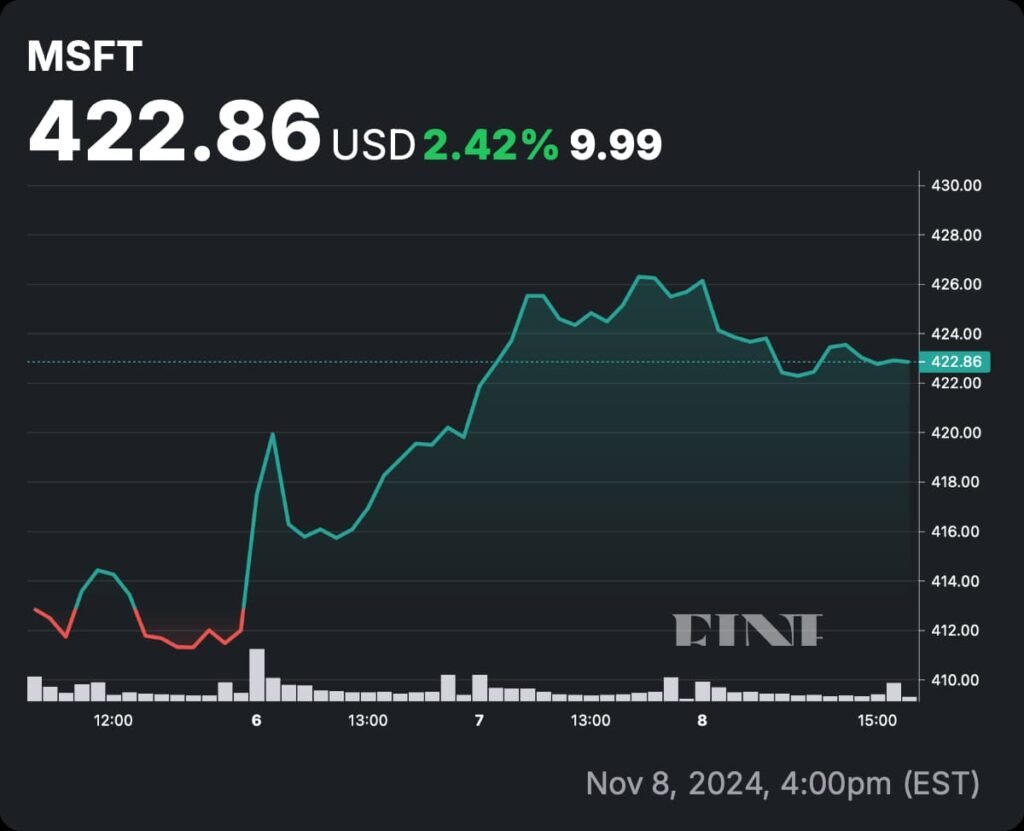
The Microsoft stock price is one of the most closely followed indicators in global financial markets. As one of the world’s largest technology companies, Microsoft Corporation (NASDAQ: MSFT) plays a central role in software, cloud computing, artificial intelligence, and digital productivity tools. Investors, analysts, and everyday market watchers monitor Microsoft’s stock price to understand how the company is performing and where it may be headed in the future.
Thank you for reading this post, don't forget to subscribe!This article explores Microsoft’s stock performance, the factors influencing its price, historical trends, and what investors typically consider when evaluating MSFT as a long-term investment.
Overview of Microsoft Corporation (NASDAQ: MSFT)
Microsoft Corporation is a multinational technology company known for its wide range of products and services, including:
-
Windows operating systems
-
Microsoft Office and Microsoft 365
-
Azure cloud computing platform
-
LinkedIn professional network
-
Xbox gaming ecosystem
-
Artificial intelligence and enterprise solutions
Microsoft trades on the Nasdaq Stock Exchange under the ticker symbol MSFT and is considered a blue-chip technology stock with a strong reputation for stability and innovation.
Why Microsoft Stock Price Matters to Investors
The Microsoft stock price reflects more than just market demand—it represents investor confidence in the company’s ability to innovate, generate revenue, and maintain leadership in the technology sector.
Investors follow Microsoft closely because of its:
-
Strong financial performance
-
Consistent earnings growth
-
Diverse revenue streams
-
Global customer base
-
Long-term innovation strategy
Because Microsoft is a component of major indices such as the S&P 500 and Nasdaq 100, its stock price also influences broader market performance.
Historical Performance of Microsoft Stock
Early Growth Years (1990s–2000s)
Microsoft’s stock rose rapidly during the personal computer boom as Windows became the dominant operating system worldwide. The success of Office software further strengthened its market position.
Cloud and Services Expansion (2010–2020)
Microsoft shifted its focus from traditional software sales to cloud services and subscriptions. Azure, Microsoft 365, and enterprise solutions became major growth drivers, helping the stock recover and grow steadily.
Recent Market Trends (2021–2024)
In recent years, Microsoft’s stock experienced fluctuations due to:
-
Global inflation and interest rate changes
-
Technology sector volatility
-
Rising demand for cloud and AI services
-
Increased corporate digital transformation
Despite short-term volatility, Microsoft remained among the most valuable companies in the world by market capitalization.
Key Factors That Influence Microsoft Stock Price
Several important factors affect Microsoft’s stock price on a daily and long-term basis:
1. Earnings Reports and Financial Performance
Quarterly earnings announcements significantly influence Microsoft’s stock price. Investors evaluate:
-
Revenue growth
-
Operating margins
-
Cloud computing performance
-
Subscription growth
-
Profitability trends
Positive earnings surprises often lead to upward price movement.
2. Cloud Computing and Azure Growth
Microsoft Azure is one of the company’s most important business segments. Growth in cloud adoption by businesses and governments directly impacts investor sentiment and valuation expectations.
Strong Azure performance often signals long-term stability and revenue expansion.
3. Artificial Intelligence and Innovation
Microsoft has made major investments in artificial intelligence and advanced computing technologies. AI integration into:
-
Office products
-
Search engines
-
Cloud services
-
Business software
has strengthened Microsoft’s role in next-generation technology markets and contributed to optimism around its stock price.
4. Product Development and Acquisitions
New product launches and strategic acquisitions also affect Microsoft’s valuation. Investments in gaming, enterprise software, and cloud infrastructure help diversify revenue and support growth.
5. Global Economic Conditions
Microsoft stock reacts to broader economic factors such as:
-
Interest rates
-
Inflation trends
-
Currency exchange rates
-
Corporate IT spending
In periods of economic uncertainty, technology stocks may experience short-term volatility.
Microsoft Stock Price Compared to Other Tech Giants
Microsoft is often compared with other major technology companies such as Apple, Google (Alphabet), and Amazon. What sets Microsoft apart is its balanced business model:
-
Consumer software
-
Enterprise cloud services
-
Gaming and entertainment
-
Professional networking
This diversified revenue structure helps reduce risk and supports long-term growth potential.
Volatility and Risk Considerations
Although Microsoft is considered a relatively stable stock, it still experiences market fluctuations. Stock price changes may be driven by:
-
Earnings announcements
-
Technology sector news
-
Regulatory developments
-
Global market conditions
Long-term investors often focus on Microsoft’s fundamentals rather than short-term price swings.
How Investors Track Microsoft Stock Price
Investors use a variety of platforms to monitor Microsoft stock, including:
-
Google Finance
-
Yahoo Finance
-
Nasdaq official website
-
TradingView
-
Brokerage platforms
These tools provide:
-
Real-time price updates
-
Historical charts
-
Trading volume data
-
Company news
-
Technical indicators
Tracking these metrics helps investors understand trends and make informed decisions.
Analyst Perspectives on Microsoft Stock Price
Financial analysts evaluate Microsoft using several criteria:
-
Revenue growth forecasts
-
Cloud computing expansion
-
Profit margins
-
AI innovation strategy
-
Competitive positioning
Many analysts view Microsoft as a long-term growth company with strong stability due to its enterprise customer base and subscription-driven revenue model.
Long-Term Outlook for Microsoft Stock
The long-term direction of the Microsoft stock price depends on:
-
Continued growth in cloud services
-
Expansion of artificial intelligence applications
-
Adoption of subscription-based software
-
Global digital transformation trends
-
Effective cost management
Microsoft’s focus on enterprise solutions and emerging technologies positions it well for future growth in the technology sector.
Is Microsoft Stock Suitable for Long-Term Investors?
Microsoft appeals to a wide range of investors, including:
-
Growth investors
-
Dividend-focused investors
-
Technology enthusiasts
-
Retirement portfolio holders
Due to its strong balance sheet and consistent earnings, Microsoft is often considered a core holding in diversified portfolios. However, like all stocks, it carries market risk and should be evaluated carefully.
Final Thoughts
The Microsoft stock price reflects the company’s leadership in software, cloud computing, and artificial intelligence. With a strong business foundation, global reach, and ongoing innovation, Microsoft remains one of the most influential technology companies in the world.
While short-term price movements may fluctuate due to economic and market conditions, Microsoft’s long-term outlook remains tied to its ability to adapt to changing technology demands and expand its cloud and AI offerings.
For investors seeking exposure to the technology sector, Microsoft continues to represent stability combined with growth potential. Monitoring Microsoft stock price trends offers valuable insight into broader developments in digital transformation and enterprise computing.

