


Introduction
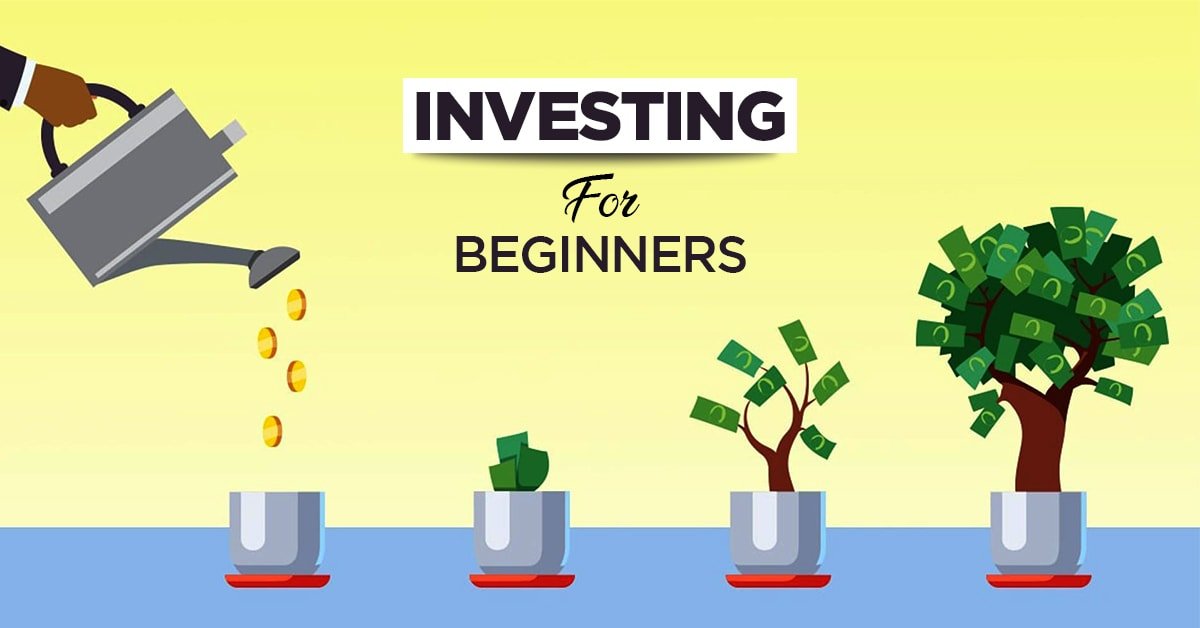
Understanding what investing is for beginners is the first step toward building long-term wealth. Investing allows individuals to grow their money over time by purchasing assets that increase in value or produce income. Many beginners believe investing is complicated, but the basic concepts are simple and accessible.
Thank you for reading this post, don't forget to subscribe!Investing helps people achieve financial goals such as retirement savings, financial independence, and passive income. Even small investments can grow significantly over time with the right strategy.
This beginner-friendly guide explains what investing is, how it works, and how new investors can get started.
What Is Investing?
Investing means putting money into assets with the goal of increasing its value over time.
Instead of keeping money in a regular savings account, investors buy assets such as:
-
Stocks
-
Exchange-traded funds (ETFs)
-
Bonds
-
Index funds
These investments have the potential to grow and generate income.
Investing focuses on long-term growth rather than quick profits.
Why Investing Is Important
Investing is important because it helps money grow faster than traditional savings accounts.
Benefits of investing include:
-
Long-term wealth growth
-
Financial security
-
Passive income potential
-
Protection against inflation
Inflation causes prices to rise over time, which reduces purchasing power. Investing helps offset inflation by growing your money.
How Investing Works
Investing works by purchasing assets that increase in value or produce income.
Investors earn money through:
-
Price increases
-
Dividends
-
Interest payments
For example, if you invest $1,000 and the investment grows by 8%, your investment becomes worth $1,080.
Over time, repeated growth can significantly increase investment value.
Types of Investments
Beginners can choose from several types of investments.
Stocks
Stocks represent ownership in a company.
Stock prices change based on company performance and market conditions.
Stocks offer long-term growth potential.
ETFs
Exchange-traded funds hold multiple investments in one fund.
ETFs provide diversification and lower risk.
Many beginners start with ETFs.
Index Funds
Index funds track major market indexes.
They provide steady long-term growth.
Index funds are simple and beginner-friendly.
Bonds
Bonds are loans to governments or companies.
They usually provide stable returns.
Bonds are often considered lower-risk investments.
Benefits of Long-Term Investing
Long-term investing is one of the most reliable strategies.
Benefits include:
-
Compound growth
-
Reduced risk
-
Steady returns
Long-term investors often achieve better results than short-term traders.
How Beginners Can Start Investing
Starting investing is simple.
Step 1: Choose an Investment Platform
Select a reliable investing platform.
Many platforms allow beginner investors to start easily.
Step 2: Deposit Funds
Start with an amount that fits your budget.
Examples include:
-
$100
-
$500
-
$1000
Small investments are fine for beginners.
Step 3: Choose Investments
Beginner-friendly investments include:
-
ETFs
-
Index funds
-
Diversified portfolios
These investments reduce risk.
Step 4: Invest Regularly
Regular investing helps build wealth steadily.
Monthly investing is common.
Consistency matters more than large investments.
Common Beginner Mistakes
Avoid these common mistakes:
-
Trying to get rich quickly
-
Investing without a plan
-
Panic selling
-
Taking too much risk
Successful investors focus on long-term growth.
Conclusion
Understanding what investing is for beginners helps build a strong financial foundation. Investing allows individuals to grow wealth over time and achieve financial goals.
By starting early and investing consistently, beginners can develop successful long-term investment habits.

